
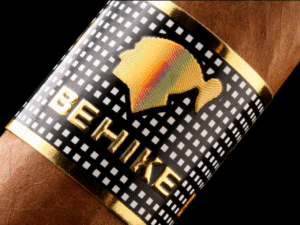
Cohiba Behike Cuban cigars, according to reliable reports, were long believed to have been launched in March 1982. However, it was later discovered that the brand had actually existed since 1966, originally kept exclusively for the personal use of the President of Cuba.
It is said that a Prince—then named Charles—used to receive Cohibas from those sent to the House of Windsor by the Cuban President. As the Prince did not smoke, he would pass them along to a man named “Jimmy,” who in turn shared them with others. In this way, even during their most secretive era, a select few were able to enjoy the legendary Cohibas.
Cohiba is a word used by indigenous Cubans to describe a roll of dried tobacco leaves—essentially, all cigars. The brand itself was born when Eduardo Rivera, a cigar roller, made special cigars for himself and shared them with a friend who was Fidel Castro’s bodyguard. When one of those cigars reached Castro, he was so impressed that he created a special factory in a Havana suburb called El Laguito—“The Little Lake.”
Due to fears of assassination attempts, the El Laguito factory became a highly secretive location. The finest cigar rollers of the time were stationed there, tasked with crafting cigars worthy of the president’s trust and taste.
The name Cohiba was selected by Celia Sanchez, Fidel Castro’s closest confidant. She also convinced him to turn El Laguito into the first formal school for female cigar rollers. To this day, many of the cigars produced at this historic factory are rolled by women trained in that tradition.
In 1982, three Cohiba vitolas were released to the public: Laguito No. 1, No. 2, and No. 3—known respectively as Lancero, Coronas Especial, and Panetela. All were medium to full-flavored cigars. By 1992, three more sizes were introduced: Espléndido, Robusto, and Exquisito, completing what is now known as the Línea Clásica (Classic Line).
That same year, five more vitolas were added under the Línea 1492 series: Siglo I through Siglo V, all medium in flavor. In 2002, the now-celebrated Siglo VI was launched. Later, Habanos introduced the Cohiba Maduro 5 line, with rich, dark wrappers and a deeper, medium-to-full flavor profile.
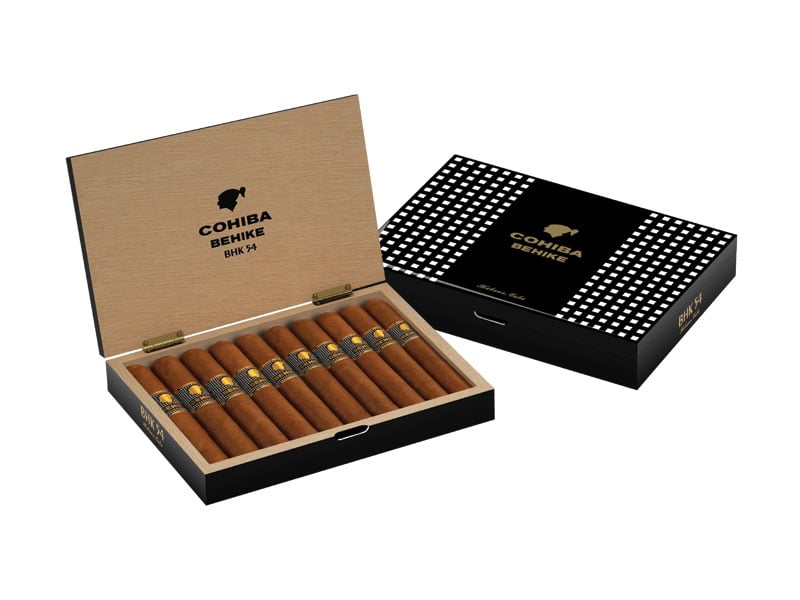
The most elite expression of the Cohiba line came with the introduction of Behike. The name, taken from indigenous terminology, refers to a ritual leader—similar to a priest or healer. True to its name, the Behike line leads in both richness and distinction. Habanos S.A. launched the line with the BHK 52, BHK 54, and BHK 56—subtle nods to the Laguito No. 4, No. 5, and No. 6, and their respective ring gauges.

Traditionally, the largest ring gauge from Habanos was 50, as seen in the Robusto. With the launch of Siglo VI (52) and later the BHK 54 and BHK 56, Habanos broke new ground—introducing sizes that allow for the inclusion of the rare Medio Tiempo leaf.
Medio Tiempo, classified as Fortaleza Cuatro (Strength 4), comes from the two highest leaves of the tobacco plant. Not all plants grow these leaves, making them extremely rare. As a result, Behike production is extremely limited, dependent on the skill of farmers and favorable growing conditions.
When available, the richness and complexity of Medio Tiempo elevates Behike to the pinnacle of Cuban cigar craftsmanship. It is the ultimate expression of Habanos S.A.’s ability to balance power, elegance, and heritage—making the Cohiba Behike a truly exceptional cigar, both in reputation and experience.


